Saturday, 14 March 2020

अजीनोमोटो क्या है

अजीनोमोटो

सफेद रंग का चमकीला सा दिखने वाला  एम एस जी  मोनोसोडि़यम ग्‍लूटामेट यानि अजीनोमोटो, एक सोडियम साल्‍ट है।

अगर आप चाइनीज़ डिश के दीवाने हैं तो यह आपको उसमें जरूर मिल जाएगा क्‍योंकि यह एक मसाले के रूप में उनमें इस्‍तमाल किया जाता है।

शायद ही आपको पता हो कि यह खाने का स्‍वाद बढ़ाने वाला मसाला वास्तव में यह धीमा जहर खाने का स्वाद नहीं बढ़ाता बल्कि हमारी स्वाद ग्रन्थियों के कार्य को दबा देता है जिससे हमें खाने के बुरे स्वाद का पता नहीं लगता। मूलतः इस का प्रयोग खाद्य की घटिया गुणवत्ता को छिपाने के लिए किया जाता है। यह सेहत के लिए भी अत्यधिक खतरनाक होता है।

जान लें कि कैसे-

* सिर दर्द, पसीना आना और चक्‍कर आने जैसी खतरनाक बीमारी आपको अजीनोमोटो से हो सकती है। अगर आप इसके आदि हो चुके हैं और खाने में इसको बहुत प्रयोग करते हैं तो यह आपके दिमाग को भी नुकसान कर सकता है।

* इसको खाने से शरीर में पानी की कमी हो सकती है। चेहरे की सूजन और त्‍वचा में खिंचाव महसूस होना इसके कुछ साइड इफेक्‍ट हो सकते हैं।

* इसका ज्‍यादा प्रयोग से धीरे धीरे सीने में दर्द, सांस लेने में दिक्‍कत और आलस भी पैदा कर सकता है। इससे सर्दी-जुखाम और थकान भी महसूस होती है। इसमें पाये जाने वाले एसिड सामग्रियों की वजह से यह पेट और गले में जलन भी पैदा कर सकता है।

* पेट के निचले भाग में दर्द, उल्‍टी आना और डायरिया इसके आम दुष्प्रभावों में से एक हैं।

* अजीनोमोटो आपके पैरों की मासपेशियों और घुटनों में दर्द पैदा कर सकता है। यह हड्डियों को कमज़ोर और शरीर द्वारा जितना भी कैल्‍शिम लिया गया हो, उसे कम कर देता है।

* उच्च रक्तचाप की समस्‍या से घिरे लोगों को यह बिल्‍कुल नहीं खाना चाहिए क्‍योंकि इससे अचानक ब्‍लड प्रेशर बढ़ और घट जाता है।

* व्‍यक्तियों को इससे माइग्रेन होने की समस्‍या भी हो सकती है। आपके सिर में दर्द पैदा हो रहा है तो उसे तुरंत ही खाना बंद कर दें।

* अजीनोमोटो की उत्पादन प्रक्रिया भी विवादास्पद है : कहा जाता है कि इसका उत्पादन जानवरों के शरीर से प्राप्त सामग्री से भी किया जा सकता है।

*अजीनोमोटो बच्चों के लिए बहुत हानिकारक है। इसके कारण स्कूल जाने वाले ज्यादातर बच्चे सिरदर्द के शिकार हो रहे हैं। भोजन में एमएसजी का इस्तेमाल या प्रतिदिन एमएसजी युक्त जंकफूड और प्रोसेस्ड फूड का असर बच्चों के शारीरिक और मानसिक विकास पर पड़ता है।
कई शोधों में यह बात साबित हो चुकी है कि एमएसजी युक्त डाइट बच्चों में मोटापे की समस्या का एक कारण है। इसके अलावा यह बच्चों को भोजन के प्रति अंतिसंवेदनशील बना सकता है। मसलन, एमएसजी युक्त भोजन अधिक खाने के बाद हो सकता है कि बच्चे को किसी दूसरी डाइट से एलर्जी हो जाए।
इसके अलावा, यह बच्चों के व्यवहार से संबंधित समस्याओं का भी एक कारण है।

छिपा हो सकता है अजीनोमोटो

अब पूरी दुनिया में मैगी नूडल बच्चे बड़े सभी चाव से खाते हैं, इस मैगी में जो राज की बात है वो है
Hydrolyzed groundnut protein
और
स्वाद वर्धक 635 Disodium ribonucleotides
यह कम्पनी यह दावा करती है कि इसमें अजीनोमोटो यानि MSG नहीं डाला गया है।
जबकि Hydrolyzed groundnut protein पकने के बाद अजीनोमोटो यानि MSG में बदल जाता है
और Disodium ribonucleotides इसमें मदद करता है।

च्यवनप्राश में 67% चीनी होती है

क्या आप जानते हैं कि च्यवनप्राश में दो तिहाई यानि 67% सिर्फ चीनी होती है.

15 ग्राम डाबर च्यवनप्राश में  10 ग्राम चीनी है.

10 ग्राम पतन्जलि च्यवनप्राश में  6.73 ग्राम चीनी है.

और सुगर फ्री च्यवनप्राश में चीनी के स्थान पर सिर्फ आंवले का गूदा डाल कर वजन पूरा किया जाता है. इसमें 85% या इससे अधिक सिर्फआंवला होता है.
डाबर शुगरफ्री च्यवनप्राश पर लिखा है कि यह बच्चों के लिए नहीं है।
इसमें नकली मिठास के लिए सूकरालोज़ नामक रसायन डाला हुआ है जो स्वास्थ्य के लिए बहुत हानिकारक है।

Thursday, 9 May 2013

Fight for Freedom started at Ambala Before Meerut

 General notion persists at the level of both the historian and the layman that Punjab was “quiet” in the stormy days of 1857. The Punjabis, especially both the “dominant” communities, the Sikhs and Muslims, were, it is believed, absolutely loyal to the British, and helped them in their hour of trial.
The usual argument made for this typical behaviour of the Punjabis is that after the annexation of Punjab (1849), John Lawrence, and his band of dedicated and dynamic officers had not only turned the badly disturbed Land of the Five Rivers into the best governed province from 1849 to 1857 but had also given to its people peace, prosperity and happiness — something which they had not seen in their long history. Consequently, the “grateful” Punjabis stood by their benevolent rulers and saved their empire.
That’s untrue! Punjab was not “quiet” in 1857. Despite heavy deployment of troops (about 45 per cent of the entire Bengal army and about 60 per cent of its European troops), terribly tight bureaucratic grip over the people, and full preparation to meet any emergency on the part of the authorities, Punjab was afire, though in varying degrees. There were serious sepoy mutinies at Ferozepur, Hote Mardan, Jullundur, Phillour, Jhelum, Sialkot, Thanesar, Ambala, Hansi, Hisar, Sirsa, Lahore, Ferozepur, Peshawar, and Mianwali.
Some people underestimate these risings and negate the Punjabis’ role therein, by calling these risings as Poorbeas’ doings. This is also untrue: the regiments, which played a heroic role in these risings were the “mixed ones”. They consisted of Hindus (of high and low castes), Muslims, and Sikhs, Poorbeas and Punjabis. Through their concerted efforts, these people performed great feats.
There is yet another very interesting feature of these “mutinies”, which has remained hidden to a large extent. That is, the sepoys here did not rise anywhere without tacit understanding with and positive support of the local civil populace. Aberrationally, if they rose on their own anywhere, they did not succeed in their mission.
Ambala is a good example to prove the point. About nine hours before the outbreak at Meerut (10 May), the 5 NI, 60 NI and 4 LC regiments stationed there revolted. They attacked their regimental kotes, seized arms, and arrested their officers. They had no liaison with the civil populace in the city. Their rising failed! As opposed to this, the sepoys at Jullundur, Ludhiana, Thanesar, Hansi, Hisar, Sirsa, Ferozepur, Sialkot, etc., had leagued with their civilian brethren. They were successful.
Interestingly, we can see this phenomenon working even outside Punjab. The failure of the mutiny at Barahamur and Barrackpore, and its resounding success at Meerut, for instance, can be explained only in the light of this fact.
This revelation discredits the theory that the uprising of 1857 was a sepoy mutiny, pure and simple, and that it was started by the sepoys alone. The revolt was, at least in Punjab, everybody’s concern. Barring a few ruling princes and their hangers-on, the people belonging to different religions, castes and classes had interest - positive interest, to be precise — in it.
Surprisingly, even the poor, illiterate, the so-called outcasts were a part of it. For instance, when the “Siege Train” dispatched from Punjab to help the British forces fighting before Delhi to capture the historic city halted at Jagraon, the Sansis, Hermis, Bawarias, etc. counted the guns in the “Train” and, despite the best efforts of the district police to check them, supplied the intelligence to the rebel forces at Delhi.
“The lower orders and castes among the Hindus and Mohammedans” at his place, says the deputy commissioner of Ludhiana, “followed any casual leader that turned up and joined in promoting general disorder”.
According to the deputy commissioner of Sialkot, at his station “the menial servants were very generally implicated (in the revolt)”. At some places, where anti-Feringhee feeling was universally strong and deep, even such sections of the population who derived personal benefits from the British, and who were, for these reasons, on the side of the British almost everywhere, were not prepared to back their masters.
What about the Sikhs? They, too, were opposed to the British who had taken away their freedom, humiliated their Maharaja, and his mother, humbled their chiefs and sardars, insulted their religion and tradition, and ruined their economy and culture.
Even in the Sikh princely states, which were loyal to the British, the Sikh masses nursed a different sentiment, and, wherever they could, they sympathised with their countrymen fighting to destroy the Feringhee raj. The sentiment was so strong that, even some close kiths and kins of the Maharajas of Patiala and Nabha revolted against them for supporting “their enemies”.
On the north-western side, in the higher hills, the war-like Muslim tribes rose up and created a “people’s war” there. Most of these people did not know where Delhi was, but they stood under the flag of its Padshah, Bahadurshah and fought against the Feringhee fiercely. Their spirit was not the spirit of ordinary fighters. We saw them dancing in the face of certain death at Gogira and other places, report the British officials.
Contextually, there is an interesting story that brings home the truth clearly. There was a Swedish officer, Lieut. A.H. Lindin, who had taken part in suppressing the uprising for the British. He had no mind to write anything on the uprising. But when he saw the British writers circulating untruth, he wrote his memoirs to set the record straight. “It was not any lure of loot or attraction to lesser crime”, he wrote, “that prompted the Indians to participate in the uprising. Nobody can deny that the real stimulant of this uprising was with most people that most valuable, purest of all feelings, the love of freedom and of one’s own country”.
In this 150th year of the uprising, it seems appropriate that truth about the brilliant part of the people of Punjab in the uprising lying buried under the debris of falsehood be extricated, and presented in colours true to history.

Thursday, 20 September 2012

सादा जीवन और उच्च विचार : लाल बहादुर शास्त्री

श्री लाल बहादुर शास्त्री जी जिन्हें आप और हम भारत के दूसरे प्रधानमन्त्री के रूप में याद रखे हुए हैं, उनके व्यक्तित्व को अगर हम चन्द शब्दों में व्यक्त करें तो वे हैं- सादगी, उच्च विचार और शिष्टाचार !

लाल बहादुर शास्त्री जी का जन्म 2 अक्टूबर 1904 को उत्तर प्रदेश के मुगलसराय में लाल बहादुर श्रीवास्तव के रूप में हुआ था। उनके पिता शारदा प्रसाद एक गरीब शिक्षक थे जो बाद में राजस्व कार्यालय में लिपिक बने।
अपने पिता श्री शारदा प्रसाद और अपनी माता श्रीमती रामदुलारी देवी के तीन पुत्रों में से वे दूसरे थे। शास्त्री जी की दो बहनें भी थीं। शास्त्रीजी के शैशव में ही उनके पिता का निधन हो गया।
अपनी गरीब माता पर बोझ न बनकर पैसे बचाने के लिए प्रतिदिन गंगा नदी तैर कर पार करके पाठशाला में जाने वाले अदम्य साहसी बालक थे लाल बहादुर !
उन्होंने एक राष्ट्रवादी विश्वविद्यालय काशी विद्यापीठ (वर्तमान महात्मा गांधी काशी विद्यापीठ) में अध्ययन किया और स्नातकोत्तर शास्त्री (शास्त्रों का विद्वान) की उपाधि पाई।
1928 में उनका विवाह श्री गणेशप्रसाद की पुत्री ललितादेवी से हुआ और विवाह में सादगी इतनी थी कि इन्होंने दहेज के नाम पर एक चरखा और खादी का कुछ गज कपड़ा ही स्वीकार किया था। उनके छ: संतान हुई।
 शिक्षा समाप्त करने के पश्चात लाल बहदुर भारत सेवक संघ से जुड़ गये और देशसेवा का व्रत लेते हुए यहीं से अपने राजनैतिक जीवन की शुरुआत की। शास्त्रीजी विशुद्ध गाँधीवादी थे जो सारा जीवन सादगी से रहे और गरीबों की सेवा में अपनी पूरी जिंदगी को समर्पित किया। भारतीय स्वाधीनता संग्राम के सभी महत्वपूर्ण कार्यक्रमों में उनकी भागीदारी रही और उन्हें जेलों में रहना पड़ा जिसमें 1921 का असहयोग आंदोलन और 1941 का सत्याग्रह आंदोलन प्रमुख हैं।
उनके राजनैतिक दिग्दर्शकों में से श्री पुरुषोत्तमदास टंडन, पंडित गोविंदबल्लभ पंत, जवाहरलाल नेहरू इत्यादि प्रमुख हैं। 1929 में इलाहाबाद आने के बाद उन्होंने श्री टंडनजी के साथ भारत सेवक संघ के इलाहाबाद इकाई के सचिव के रूप में काम किया। यहीं उनकी नज़दीकी नेहरू से भी बढ़ी। इसके बाद से उनका राजनैतिक कद निरंतर बढ़ता गया जिसकी परिणति नेहरू मंत्रिमंडल में गृहमंत्री के तौर पर उनका शामिल होना था।

एक बार केन्द्र सरकार में रेल मन्त्रालय का कार्यभार सम्भालने के दौरान इन्होंने इस विभाग में बहुत सुधार किये लेकिन इनके कार्यकाल में दक्षिण भारत में एक रेल दुर्घटना में 144 व्यक्ति मारे गये। शास्त्री जी ने रेल मन्त्री होने के नाते इसकी नैतिक जिम्मेदारी लेते हुए रेल मन्त्री का पद छोड़ने में पल भर की भी देर नहीं लगाई। यह उनकी ईमानदारी का उत्कृष्ट उदाहरण था।
लाल बहादुर शास्त्री जी उत्तरप्रदेश के मुख्यमंत्री भी रहे।
उन्होंने 9 जून 1964 को प्रधानमंत्री का पद भार ग्रहण किया। शास्त्री जी का प्रधानमंत्री पद के लिए कार्यकाल राजनैतिक सरगर्मियों से भरा और तेज गतिविधियों का काल था।
जब शास्त्री जी प्रधानमन्त्री बने तो देश में अन्न की कमी थी। दूसरे देश अनाज देने के बदले में हम पर मनमानी शर्तें थोपना चाहते थे। अतः शास्त्री जी इस संकट की घड़ी में भी किसी देश के सामने नहीं झुके। उन्होंने विदेशी अनाज को ठुकरा दिया और देश के किसानों और वैज्ञानिकों को अधिक से अधिक अनाज उपजाने के लिए प्रेरित किया। अन्न की कमी से निपटने के लिए इसके लिए उन्होंने सप्ताह में एक दिन सोमवार को एक समय का भोजन करना बन्द कर दिया। देश के करोड़ों लोगों ने भी उनका अनुसरण किया।
पाकिस्तान और चीन भारतीय सीमाओं पर नजरें गड़ाए खड़े थे तो वहीं देश के सामने कई आर्थिक समस्याएं भी थीं लेकिन शास्त्री जी ने हर समस्या को बेहद सरल तरीके से हल किया।
किसानों को अन्नदाता मानने वाले और देश के सीमा प्रहरियों के प्रति उनके अपार प्रेम ने हर समस्या का हल निकाल दिया। “जय जवान, जय किसान” के साथ उन्होंने देश को आगे बढ़ाया।
1965 में पाकिस्तानी हुकूमत ने कश्मीर घाटी को भारत से छीनने की योजना बनाई थी लेकिन शास्त्री जी ने दूरदर्शिता दिखाते हुए पंजाब के रास्ते लाहौर में सेंध लगा पाकिस्तान को पीछे हटने पर मजबूर कर दिया। इस हरकत से पाकिस्तान की विश्व स्तर पर बहुत निंदा हुई। पाक हुक्मरान ने अपनी इज्जत बचाने के लिए तत्कालीन सोवियत संघ से संपर्क साधा जिसके आमंत्रण पर शास्त्री जी 1966 में पाकिस्तान के साथ शांति समझौता करने के लिए ताशकंद गए। इस समझौते के तहत भारत पाकिस्तान के वे सभी हिस्से लौटाने पर सहमत हो गया जहाँ भारतीय फौज ने विजय के रूप में तिरंगा झण्डा गाड़ दिया था।
इस समझौते के बाद दिल का दौरा पड़ने से 11 जनवरी 1966 को ताशकंद में ही शास्त्री जी का निधन हो गया। हालांकि उनकी मृत्यु को लेकर आज तक कोई आधिकारिक रिपोर्ट सामने नहीं लाई गई है, उनके परिजन समय-समय पर उनकी मौत पर सवाल उठाते रहे हैं। यह देश के लिए एक शर्म का विषय है कि उसके इतने काबिल नेता की मौत का कारण आज तक साफ नहीं हो पाया है।
हालांकि शास्त्री जी की देश और देशवासियों के प्रति सेवा किसी पुरस्कार की मोहताज नहीं फ़िर भी 1966 में उन्हें भारत का पहला मरणोपरांत भारत रत्न का पुरस्कार मिला था जो इस बात को साबित करता है कि शास्त्री जी की सेवा अमूल्य है।
आज राजनीति में जहां हर तरफ भ्रष्टाचार का बोलबाला है वहीं शास्त्री जी एक ऐसे उदाहरण थे जो बेहद सादगी पसंद और ईमानदार व्यक्तित्व के स्वामी थे।
शास्त्रीजी को उनकी सादगी, देशभक्ति और इमानदारी के लिये पूरा भारत श्रद्धापूर्वक याद करता है।

Monday, 20 August 2012

शिक्षक दिवस- डॉ. सर्वपल्ली राधाकृष्णन का जन्म दिन

भारत में शिक्षक दिवस डॉ. सर्वपल्ली राधाकृष्णन के जन्म दिन के अवसर पर मनाया जाता है।
डॉ. राधाकृष्णन का जन्म 5 सितम्बर, 1888 को  तमिलनाडु के तिरूतनी ग्राम में, जो मद्रास, अब चेन्नई से लगभग 64 कि॰ मी॰ की दूरी पर स्थित है, 5 सितंबर 1888 को हुआ था। यह एक ब्राह्मण परिवार से संबंधित थे। इनका जन्म स्थान एक पवित्र तीर्थस्थल के रूप में विख्यात रहा है। डॉक्टर सर्वपल्ली राधाकृष्णन के पूर्वज पहले 'सर्वपल्ली' नामक ग्राम में रहते थे और 18वीं शताब्दी के मध्य में उन्होंने तिरूतनी ग्राम की ओर निष्क्रमण किया था। लेकिन इनके पूर्वज चाहते थे कि उनके नाम के साथ उनके जन्मस्थल के ग्राम का बोध भी सदैव रहना चाहिए। इसी कारण इनके परिजन अपने नाम के पूर्व 'सर्वपल्ली' धारण करने लगे थे।

डॉक्टर सर्वपल्ली राधाकृष्णन एक ग़रीब किन्तु विद्वान ब्राह्मण की दूसरी संतान के रूप में पैदा हुए। इनके पिता का नाम 'सर्वपल्ली वीरास्वामी' और माता का नाम 'सीताम्मा' था। इनके पिता राजस्व विभाग में वैकल्पिक कार्यालय में काम करते थे। वीरास्वामी पर बड़े परिवार के भरण-पोषण का दायित्व था। इनके पाँच पुत्र तथा एक पुत्री थी। राधाकृष्णन का स्थान इन संततियों में दूसरा था। इनके पिता काफ़ी कठिनाई के साथ परिवार का निर्वहन कर रहे थे। इस कारण बालक राधाकृष्णन को बचपन में कोई विशेष सुख नहीं प्राप्त हुआ।
डॉक्टर सर्वपल्ली राधाकृष्णन का बाल्यकाल तिरूतनी एवं तिरूपति जैसे धार्मिक स्थलों पर ही व्यतीत हुआ। इन्होंने प्रथम आठ वर्ष तिरूतनी में ही गुजारे। यद्यपि इनके पिता पुराने विचारों के इंसान थे और उनमें धार्मिक भावनाएं भी थीं, इसके बावजूद उन्होंने राधाकृष्णन को क्रिश्चियन मिशनरी संस्था लुथर्न मिशन स्कूल, तिरूपति में 1896-1900 के मध्य विद्याध्ययन के लिए भेजा। फिर अगले 4 वर्ष (1900 से 1904) की शिक्षा वेल्लूर में हुई। इसके बाद इन्होंने मद्रास क्रिश्चियन कॉलेज, मद्रास में शिक्षा प्राप्त की। वह बचपन से ही मेधावी थे।
डॉ. राधाकृष्णन एक प्रखर वक्ता तथा आदर्श शिक्षक थे। भारतीय सभ्यता तथा संस्कृति को अंगीकार किये दार्शनिक स्वभाव के आस्थावान हिन्दू विचारक डॉ. राधाकृष्णन ने 40 वर्ष तक शिक्षण कार्य किया।
डॉ. राधाकृष्णन भारत के प्रथम उपराष्ट्रपति (1952-1962) तथा द्वितीय राष्ट्रपति (13मई, 1962-13मई, 1967) तक रहे।
डॉ. सर्वपल्ली राधाकृष्णन 'वसुधैव कुटुम्बम्' की अवधारणा को मानने वाले थे। पूरे विश्व को एक इकाई के रूप में रखकर शैक्षिक प्रबंधन के पक्षधर डॉ. राधाकृष्णन अपने ओजस्वी एवं बुद्धिमता पूर्ण व्याख्यानों से छात्रों के बीच अत्यन्त लोकप्रिय थे। शिक्षण कार्य में अपनी जबरदस्त पकड़ रखने के कारण दर्शन शास्त्र जैसे गंभीर विषय को भी अपनी शिक्षण शैली से वो रोचकता पैदा करके सरलतम रूप में छात्रों को समझाते-पढ़ाते थे। शिक्षण काल में छात्रों के मध्य कुछ रोचक प्रस्तुतियाँ, प्रेरक प्रसंग, हास्य-व्यंग्य की कहानियाँ प्रस्तुत करके छात्रों में सदैव शिक्षा के प्रति अभिरूचि बनाए रखने में कामयाब रहते थे डॉ. राधाकृष्णन।
डॉ. सर्वपल्ली राधाकृष्णन बहुमुखी प्रतिभा व व्यक्तित्व के धनी एक प्रसिद्ध विद्वान, शिक्षक, प्रखर वक्ता, कुशल प्रशासक, राजनयिक, देश-भक्त, दार्शनिक तथा शिक्षा-शास्त्री थे। शिक्षा को मानव व समाज का सबसे बड़ा आधार मानने वाले डॉ. राधाकृष्णन का शैक्षिक जगत में अविस्मरणीय व अतुलनीय योगदान रहा है। जीवन के उत्तरार्द्ध में भी उच्च पदों पर रहने के दौरान शैक्षिक क्षेत्र में आपका योगदान सदैव बना रहा। डॉ. राधाकृष्णन सामाजिक बुराइयों को हटाने के लिए शिक्षा को ही कारगर मानते थे।
मात्र सूचना व जानकारी को ही शिक्षा न मानते हुए डॉ. राधाकृष्णन व्यक्ति के बौद्धिक, आध्यात्मिक, सामाजिक रूप से विकास को भी शिक्षा का अभिन्न अंग मानते थे। प्रत्येक नागरिक के मन में लोकतांत्रिक भावना व सामाजिक मूल्यों की स्थापना शिक्षा का मुख्य व महत्वपूर्ण कार्य मानते थे। डॉ. राधाकृष्णन के अनुसार शिक्षा का लक्ष्य है ज्ञान के प्रति समर्पण की भावना और निरन्तर सीखते रहने की प्रवृत्ति। वह एक ऐसी प्रक्रिया है जो व्यक्ति को ज्ञान व कौशल दोनों प्रदान करती है तथा इनका जीवन में उपयोग करने का मार्ग प्रशस्त करती है।करूणा,प्रेम और श्रेष्ठ परम्पराओं का विकास भी शिक्षा का उद्देश्य हैं।
डॉ. राधाकृष्णन का मानना था कि शिक्षक उन्हीं लोगों को बनना चाहिए जो सर्वाधिक योग्य व बुद्धिमान हों। उनका स्पष्ट कहना था कि जब तक शिक्षक शिक्षा के प्रति समर्पित और प्रतिबद्ध नहीं होता है और शिक्षा को एक मिशन नहीं मानता है, तब तक अच्छी शिक्षा की कल्पना नहीं की जा सकती है। शिक्षक को छात्रों को सिर्फ पढ़ाकर संतुष्ट नहीं होना चाहिए, शिक्षकों को अपने छात्रों का आदर व स्नेह भी अर्जित करना चाहिए। सिर्फ शिक्षक बन जाने से सम्मान नहीं होता, सम्मान अर्जित करना महत्वपूर्ण है।

अम्बाला में मेला वामन द्वादशी उत्सव

भगवान विष्णु के चौबीस अवतार बताए जाते हैं जिनमें दस मुख्य अवतार निम्न हैं-
मत्स्य अवतार, कूर्म अवतार, वराह अवतार, नरसिंह अवतार, वामन अवतार, परशुराम अवतार, राम अवतार, कृष्णावतार, बुद्धावतार, कल्कि अवतार (अन्तिम कल्कि अवतार में विष्णुजी भविष्य में कलियुग के अंत में अवतार लेंगे।)
वामन अवतार : इसमें विष्णु जी वामन (बौने) के रूप में प्रकट हुए। हिरण्यकश्यप के प्रपोत्र व भक्त प्रह्लाद के पौत्र, असुरराज राज बलि से देवतओं की रक्षा के लिए भगवान ने वामन अवतार धारण किया।
भाद्रपद मास के शुक्लपक्ष की द्वादशी को वामन द्वादशी या वामन जयंती मनाई जाती है। श्रीमद्भागवत के अनुसार इसी तिथि को श्रवण नक्षत्र में अभिजित मुहूर्त में भगवान वामन का प्राकट्य हुआ था। इस बार वामन द्वादशी 27 सितंबर, 2012 बृहस्पतिवार को है।
सत्ययुग में प्रह्लाद के पौत्र दैत्यराज बलि ने स्वर्गलोक पर अधिकार कर लिया। सभी देवता इस विपत्ति से बचने के लिए भगवान विष्णु के पास गए। तब भगवान विष्णु ने कहा कि मैं स्वयं देवमाता अदिति के गर्भ से उत्पन्न होकर तुम्हें स्वर्ग का राज्य वापिस दिलाऊँगा।  कुछ समय पश्चात भाद्रपद शुक्ल द्वादशी को भगवान विष्णु ने वामन अवतार लिया। एक बार जब बलि महान यज्ञ कर रहा थे तब भगवान वामन बलि के यज्ञस्थल पर गए और राजा बलि से भिक्षा में तीन पग धरती दान में मांगी।
राजा बलि के गुरु शुक्राचार्य भगवान की लीला समझ गए और उन्होंने बलि को दान देने से मना किया लेकिन बलि ने फिर भी भगवान वामन को तीन पग धरती दान देने का संकल्प ले लिया। भगवान वामन ने विशाल रूप धारण कर एक पग में धरती और दूसरे पग में स्वर्ग लोक नाप लिया।
जब तीसरा पग रखने के लिए कोई स्थान नहीं बचा तो बलि ने अपने संकल्प को पूरा करने के लिए भगवान वामन को अपने सिर पर पग रखने को कहा। बलि के सिर पर पग रखने से वह पाताललोक पहुँच गए।
बलि की दानवीरता देखकर भगवान ने उन्हें पाताललोक का स्वामी भी बना दिया। इस तरह भगवान वामन ने देवताओं की सहायता कर उन्हें स्वर्ग पुन: लौटाया।
अम्बाला शहर में वामन द्वादशी का उत्सव तीन दिवसीय मेले के रूप में मनाया जाता है। सनातन धर्म सभा द्वारा आयोजित यह मेला इस वर्ष यह उत्सव 25, 26 और 27 सितम्बर को मनाया जाएगा।
पुरानी अनाज मण्डी के खुले मैदान में एक विशाल मण्डप सजाया जाता है जहाँ भाद्रपद मास के शुक्लपक्ष की दशमी तिथि को यज्ञ-पश्चात नगर के विभिन्न मन्दिरों से भगवान की पालकियों को शोभा यात्रा के रूप में लाया जाता है और मण्डप में सुशोभित किया जाता है। पूरे क्षेत्र को रंगबिरंगी रोशनियों से सजाया जाता है। भगवान के दर्शन हेतु दूर-दूर से जन सैलाब इस मेले में भाग लेने के लिए उमड़ पड़ता है। एकादशी की संध्या में रंगारंग कार्यक्रम व आतिशबाजी का सुन्दर प्रदर्शन होता है।
द्वादशी के दिन दोपहर को एक विशाल शोभा यात्रा निकाली जाती है जिसमें विभिन्न बैण्ड बाजों के साथ अति सुन्दर झांकियाँ होती है। इस शोभा यात्रा के साथ भगवान की पालकियों को नौरंग राय सरोवर पर ले जाकर एक विशाल बेड़े पर ताल में तैराया जाता है फ़िर बैण्ड बाजे के साथ सभी पालकियाँ मंदिरों में वापिस ले जाई जाती हैं।
इसी के साथ यह तीन दिन का मेला समाप्त होता है।

Monday, 21 May 2012

Shri Atmanand Jain Senior Secondary School

SHRI Atmanand Jain Senior Secondary School, Ambala City is perhaps one of the oldest schools in the region.
The school was established more than 100 years back in 1901. Since then, the school has been moving from strength to strength in terms of academic excellence and other co-curricular activities.
SA Jain Senior Secondary School has carved a niche for itself for achieving exceptional results in Board examinations year after year. It is an important school of Ambala City.
The school was started as a primary school in 1901 in old Anaj Mandi area of Ambala City. Thereafter, it was upgraded to a High School in 1926. Two years thereafter in 1928, the school became a Grant-in-aid school. In 1990, the school became a senior secondary school. The school has celebrated its Golden Jubilee in 1976 and the Diamond Jubilee in 1986.
The school management comprises capable persons who take keen interest in the functioning of the school. Under the guidance of the 15 member management committee, the school has kept up its tradition of having good results every year.
My teachers in 1978
1. Sh. Faquir Chand Aggarwal (Math. & Science)
2.Sh. H. R. Khosla ( S.S. & English)
3. Sh. Jagan Nath Shastri (Hindi)
4. Sh. Baldev Raj Shastri (Sanskrit)
5. Sh. Mam chand(Drawing)
7. Sh. Lal Chand (biology)

My classmates at S.A.Jain High School in batch 1978 Tenth pass out
1. Surinder Gupta (Teaching profession Kurukshetra University?) 
2. Surinder (Himachal Tourism> settled in Canada?)
3. Rajesh Khosla Businessman Rice sheller and Petrolium products)
4. Naresh Gupta (property business)
5. Atul Jain (C.A.)
6. Raman aggarwal
7. Amit
8. Harsh Vardhan Sahni
9. Harish Gupta
10. Rakesh Mohan
11.Naresh Sharma
12. Vinod Uppal
13. Vinod(Chhota)
14. Rajender Sethi
15. Subhekshan (Sharma)
16.Ashok sharma
17. Anil Jain
18. Anil sharma
19. Rajesh Jain
20. Raj Kumar
21. Suresh Aggarwal (C.A.)
22. Raman Singla (business)
23. Yash Pal Sharma
24. Man Mohan Maini (BSNL)
25. Pardeep Khosla
26. Arvind
27. Ravinder
28. Satish Chawla
29. Lalit Aggarwal

Sunday, 1 May 2011

Jain Mandir. Ambala Cantt जैन मन्दिर, अम्बाला छावनी

D A V College(lahore)

D.A.V.College near Jagadhri Gate Ambala City, Ambala, India 134002
Affiliated to  :  kurukshetra university kurukshetra

Location


Veer Ji Ki Kutiya वीर जी की कुटिया

Veer Ji Ki Kutiya वीर जी की कुटिया
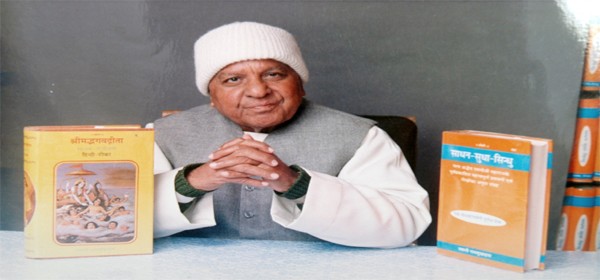
Prakash Dev, better known as Gita Nand Ji Maharaj (Veer Ji) of Ambala City, was born on 20.11. 1929 in village Kamalia of Lyallpur District (which is now in Pakistan).
Gita Nand Ji was born into a well-known Gosain (upper caste Brahmin) family to Shri Nand Lal Gosain (Father) and Bhrawan Bai (Mother).
Gita Nand Ji's grandfather Shri Sheetal Das Gosain was a highly acclaimed and spiritually advanced personality and the spiritual life and conduct of his grandfather and grandmother had a significant impact on young Prakash Dev.
Prakash Dev was about 7-8 years old when the first signs of his later life as an Awakened and 'God Realized’ saint began to emerge.
One day, while playing with friends from the neighborhood, he caught the sight of another child carrying a chunk of sweet-meat in his hand. Overtaken by sudden emotion and hunger for the piece of delicacy, the young Prakash ran towards the boy and snatched the sweet-meat out of his hand to eat it.
Prakash's mother was watching this little episode the whole time and grabbed her son by the hand before he could savor the taste of the dessert. One tight slap and the admonishment that followed embarrassed the little boy. The incident registered deep within and catalyzed the links that he had already established with a higher intelligence.
Prakash would sit quietly in a corner of the house and play the whole episode related to the sweet-meat in his mind time and again. Prakash belonged to an affluent family and he was constantly bothered by the question that if he had everything in his own house, available to him without anyone questioning him, why and what led him to go after something so 'blindly’.
Being the only son and born the youngest to six elder sister, Prakash was pampered and deeply loved by all in the family. Several pet names like 'Nikka', 'Manga', 'Kaka' were gifts of love given to him by near and dear ones.
This too would confuse and later amuse young Prakash. He would wonder how one person could be addressed and remembered by so many names. This trait of constantly questioning and pondering deeply on even the smallest events became the one 'constant' thing in Prakash's life.
This trait was further fuelled by leading a disciplined life and attending to both school and house-hold duties with equal aplomb. Discipline, respect for elders, rising early and taking bath before sunrise and the reading and recital of Shrimad Bhagwad Geeta before sitting for breakfast were some of the 'rules’ that were set by Gita Nand Ji’s father.
And everyone, including Prakash, followed the rules religiously and without questioning. As the saying goes, 'Coming Events Cast Their Shadows Before', Prakash showed signs of being aloof, self-centered and displayed sharp intelligence even in performing the smallest of tasks.
That he was a topper in studies and was a favorite of all his teachers came as no surprise.
His father would often repeat the words, “If one has to live happily in our home, he must follow the rules of the house.” These words would always hit the 'bull’s eye’ and Prakash would often sit and keep repeating these words in his mind.
Gradually, the 'rules of the divine’ or the 'ways of the divine’ were building a place inside Prakash’s being. He would constantly find that 'material’ things around him were changing without any 'visible’ hand coming to change them.
Simple day-to-day incidents reminded young 'Prakash’ of a divine force that was constantly in play. He would watch agog and replay each incident in his mind to try and understand the 'subtle’ laws of this divine force.
Whether at school or at home, he was taking his first lessons that would help him during his later life as a 'God Seeker’ and help him lead a monastic life. Small anecdotes that later turned into 'big’ ideas as he embarked on his journey 'inward’.
1. He would carefully watch his mother follow a few simple steps to separate milk into curd. She would cover the container and then leave the milk to set in a warm place. And everyone in the family knew that the container was not to be touched or moved, lest the curding process be disturbed. Prakash’s mother would often say, “If you want to savor good quality curd, shut the container with warm milk very tight and do not move or shake the container.” Prakash would watch with interest every time his mother would pull-out 'almost solid’ chunks of curd. He would wonder how milk had transformed into curd over-night. And his mother would repeat for the sake of further clarity that 'do not shake the container’ and you get chunks of 'almost solid’ curd.
Prakash (or Gita Nand Ji Maharaj) would later say to all his disciples, "Do not let your belief be shaken. Your 'inner environment’ should not be stirred or shaken if you want 'solid’ results."
2. Around the age of 12, Prakash was witness to the marriage ceremony of his eldest sister. Everyone in the family was very excited and so was young Prakash. As the date of marriage approached, relatives, and friends and near and dear ones flocked to his family home. Prakash could not quite fathom the hullabaloo linked to 'going away’ of his sister to someone else’s house.
The day of the marriage, Prakash was shattered as he finally came to terms with the fact that his sister will not be able to live with his family any longer and would only 'visit occasionally'. He questioned his parents and his sisters about the tradition and everyone looked very comfortable with the idea that 'one day every girl has to leave her parents home to live with another man and another family’. He ran back and forth exclaiming that if his sister had to leave then why she was given so much attention in their family after all. Everyone should have treated her like a 'guest'.
These small ideas and incidents left a deep impression on Prakash's mind. He decided that he would never be a part of the marriage ceremony of the rest of his sisters and he would treat them only as ‘guests’.


Saturday, 30 April 2011

Maharaj Agarsen Chowk


Some old pictures from Ambala

Sirhind Club

Cricket in Ambala 1918

Cart in the Streetk Ambala 1945


 Ambala Club

 G T Road (Sher Shah Suri Marg) old picture
The Grand Trunk Road, built by Sher Shah Suri, was the main trade route from Calcutta to Kabul.


MANGLED REMAINS: The wreckage of the MiG-29 that crashed on paddy fields in Ambala  on Sep 28, 2006

Air Force Station Ambala 1943
 
... fixing the engine to the Blenheim Ambala 1943

Zohra Bai Ambala Wali (1918-90)


A noted classical singer, Zohra bai Ambale wali belonged to the first generation playback singers of Hindi cinema. Born into an orthodox Muslim family, Zohrabai’s introduction to music was through the gramophone records playing in her home in Ambala (now in the Haryana).

Recognizing her musical talent, Zohrabai’s grandfather put her under the tutelage of Ghulam Hussain Khan and Ustad Nasir Hussain Khan. The latter trained her in the Agra gharana (school) of Hindustani music, and it was this robust, unrestrained style of singing that Zohrabai brought to film music.
She began her career as a radio artiste, singing mainly classical and semi-classical numbers. She also cut albums with HMV, the leading gramophone company of the time. Music Director Vasant Desai gave Zohrabai her first film song in the historical drama, Shakuntala (1943). She subsequently sang for music director Naushad Ali in Rattan, delivering such hits as Aai Diwali aai Diwali and Akhiyan mila ke, jiya bharma ke. In fact, most of the singer’s famous songs, including those in Anmol Ghadi, Mela, and Jadoo, were to come under the music direction of Naushad Ali.
Zohrabai retired at the peak of her career to help her daughter, the noted kathak dancer Roshan Kumari

Gurdwara Lakhnaur Sahib

Lakhnaur Sahib Gurdwara has a rich Sikh history as Guru Gobind Singh had stayed at Lakhnaur village as a child. A booklet on the gurdwara states that Lakhnaur Sahib is the paternal place of Mata Gujari, wife of Guru Tegh Bahadur Ji.

Sunday, 24 April 2011

Railway Station Ambala

Ambala is a divisional headquarters of the Northern Railway Zone and is an important railway junction. The city is served by three railway stations:
The Ambala Cantonment railway station was founded on the junction of the Delhi-Kalka and Ludhiana-Saharanpur lines. Ambala is a city located on the border of the states of Haryana and Punjab in India, and an important railway junction made famous by Rudyard Kipling's novel Kim The historic Delhi-Ambala-Kalka railway line dates back to 1889 while the Ludhiana-Saharanpur line was built in 1870. Situated 200 km north of Delhi, this town is well connected by the rail and road network.
Elevation: 278 m above sea level
Railway Zone: Northern - NR
Railway Station Ambala Cantt at night
Ambala Cantt Railway station in 1945


S.A.Jain College


Galaxy Mall


St. PAUL'S CHURCH

St Paul's Church is the oldest church in Ambala District.

This church was consecrated in January 1857.
St Paul's Church in 1868
 St Paul's Church in 1942

 and was destroyed during the Indo-Pak war of 1965. Now, one can see only the remains of the church tower. The church now belongs to the Indian Air Force and the authorities are planning to convert the bombed church into a war memorial chapel.


Mata Kali Mandir

Kali Mata Mandir is at the centre of Labbu Wala Talab opposite to S.A. Jain College, near to Gurudwara Govindpura, S.A. Jain Senior Secondary School, S.D. Senior Secondary School.

Gurudwara Sis Ganj

about 300 metres from Gurdwara Manji Sahib, is sacred to Guru Tegh Bahadur. After the Guru had been executed publicly in Delhi on 11 November 1675 under the orders of Emperor AURANGZIB, one of his Sikhs, Bhai Jaita carried off his severed head to Anandpur, while his body was cremated by Bhai Lakkhi Shah in Delhi. Bhai Jaita traveling incognito with the Guru`s head (sis) stayed in a Sikh`s house in Ambala, the site of the present Gurdwara Sis Gary. Local devotees raised a platform to mark the spot. In 1913, when the Sikh Educational Conference met for its sixth annual session at Ambala, the site sprang into limelight. The custodians of the adjoining Muslim shrine of Twakkal Shah objected to the Sikhs` visiting the place in large numbers. A civil suit followed which, however, went in the Sikhs` favour . In 1925, the control was entrusted to the newly constituted Shiromani Gurdwara Parbandhak Committee. The new building, completed in 1969, consists of a double storey domed gateway and a small divan hall.